Showing posts with label Unit 4. Show all posts

Tuesday, 9 February 2016


A2 Event profile of Hazards work: Unit 4


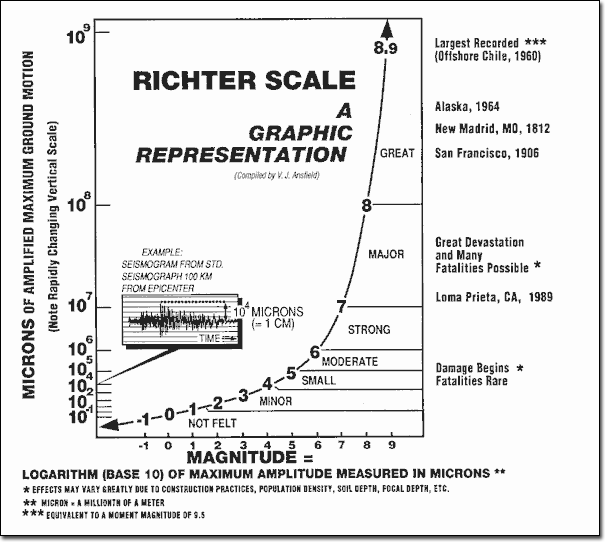
Tectonic hazards can be described in terms of their frequency, magnitude, duration and areal extent. Use the following links to complete the worksheet:

Earthquake scales


Volcanic explosivity index


Frequency and magnitude

Tuesday, 13 May 2014

How Tsunamis work


Watch the video clip on this link to help your understanding of how tsunamis work.

Friday, 2 May 2014

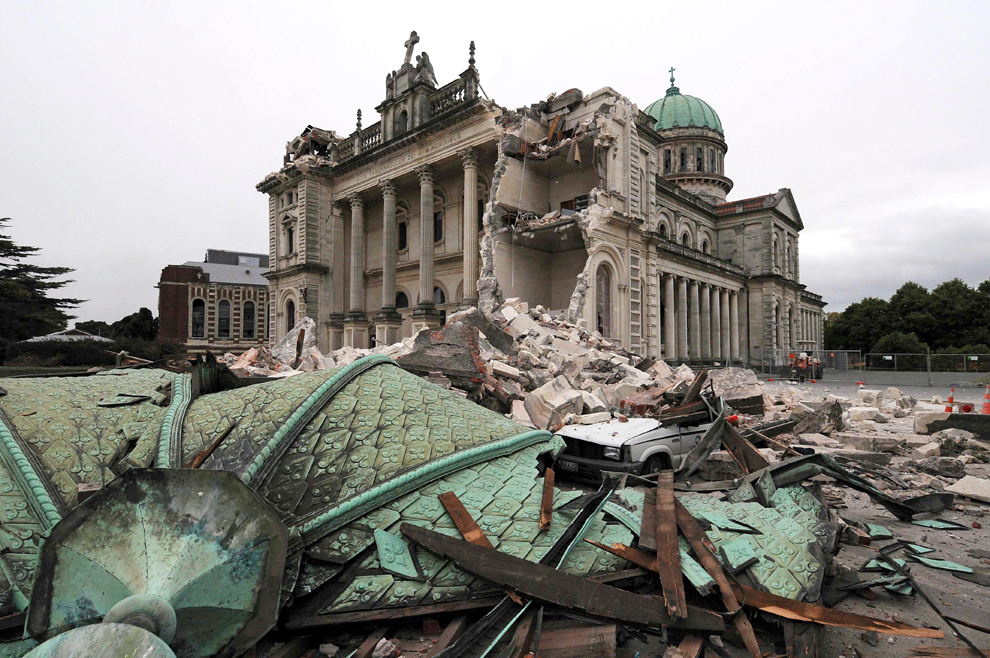
Management and response to Christchurch earthquake

Video explaining how seisometers work to locate an earthquake
Video about predicting earthquakes and aftershocks

GNS monitoring of earthquakes
Describe and explain the research and consultancy offered by GNS
GNS monitoring of earthquakes II
GNS monitoring of earthquakes III
Describe in detail the work being done to monitor the deformation of NZ. Include an explanation of ‘continuous GPS’
Rapid response seismic team
Describe how the rapid response seismic team responded to the Christchurch earthquake
Earthquake insurance cover
Who are EQC?
Describe how their insurance policy works

GetThru.gov
Briefly describe the safety information offered by the NZ government in an earthquake
Wednesday, 26 March 2014

BBC Horizon - why can we not predict earthquakes?


UVI Unit 4 - watch this in the holidays (before 4 April...)

Event profiles


Tectonic hazards can be described in terms of their frequency, magnitude, duration and areal extent. Use the following links to complete the worksheet:

Earthquake scales

Volcanic explosivity index

Frequency and magnitude

Wednesday, 26 February 2014

Plate tectonics


Use the USGS online text book - This Dynamic Earth to complete the research task.

Wednesday, 6 March 2013

Christchurch earthquake

Video explaining how seisometers work to locate an earthquake
Video about predicting earthquakes and aftershocks

GNS monitoring of earthquakes
Describe and explain the research and consultancy offered by GNS
GNS monitoring of earthquakes II
GNS monitoring of earthquakes III
Describe in detail the work being done to monitor the deformation of NZ. Include an explanation of ‘continuous GPS’
Rapid response seismic team
Describe how the rapid response seismic team responded to the Christchurch earthquake
Earthquake insurance cover
Who are EQC?
Describe how their insurance policy works

GetThru.gov
Briefly describe the safety information offered by the NZ government in an earthquake

Friday, 22 February 2013

Event profiles of tectonic hazards


Tectonic hazards can be described in terms of their frequency, magnitude, duration and areal extent. Use the following links to complete the worksheet:

Earthquake scales

Volcanic explosivity index

Frequency and magnitude


Thursday, 7 February 2013

Friday, 18 January 2013

Plate tectonics


Use the USGS online text book - This Dynamic Earth to complete the research task.

Tuesday, 15 May 2012

Factors influencing the effectiveness of response

Use these links to as new sources for references for your report. Use the table provided to note the information

Chile - Haiti comparison
Earthquake prediction
Effectiveness of military response

Wednesday, 7 March 2012

Event profiles of hazards


Tectonic hazards can be described in terms of their frequency, magnitude, duration and areal extent. Use the following links to complete the worksheet:

Earthquake scales

Volcanic explosivity index

Frequency and magnitude


Monday, 28 March 2011

Mt. Nyriangongo, DRC


Article from National Geographic - included images and interactive graphic.

Monday, 14 March 2011

Event profile of hazards


Tectonic hazards can be described in terms of their frequency, magnitude, duration and areal extent. Use the following links to complete the worksheet:

Earthquake scales

Volcanic explosivity index

Frequency and magnitude